Addiction
Recovery
Millions of people worldwide suffer problems with the abuse of substances as well as other psychological addictions, as gambling or internet abuse.
An addiction cannot be cured, but with the right treatment, its progress can be controlled to avoid stepping into negavite consecuences, including those life threathening.
At Uleru, we are committed to provide the highest quality substance abuse and other addiction rehabilitation services. With a strong emphasis in a holistic approach that consider the client's individual needs as a tailor made rehabilitation program.
An addiction cannot be cured, but with the right treatment, its progress can be controlled to avoid stepping into negavite consecuences, including those life threathening.
At Uleru, we are committed to provide the highest quality substance abuse and other addiction rehabilitation services. With a strong emphasis in a holistic approach that consider the client's individual needs as a tailor made rehabilitation program.
What is an addiction?
Substance abuse and other addictions are just symptoms of a much more complex pathology
An addiction is a chronic dysfunction of the brain system that involves reward, motivation, and memory. It’s about the way your body craves a substance or behavior, especially if it causes a compulsive or obsessive pursuit of “reward” and lack of concern over consequences.

Over time, addictions can seriously interfere with your daily life. People experiencing addiction are also prone to cycles of relapse and remission. This means they may cycle between intense and mild use. Despite these cycles, addictions will typically worsen over time. They can lead to permanent health complications and serious consequences like bankruptcy.
Addiction Healing Treatment
Addiction healing treatment means not only dealing with the substance or behavior causing and maintaining the addiction, but also addressing and healing any emotional wound
How treatment works
Treatment begins in an initial 90 minute visit where an evaluation and a assessment is made in order to understand what is happening and the severity of the illness.
After the evaluation and assessment is made, clinical recommendations are giving about the type of treatment needed for the current situation and presenting symptoms. Also in this initial visit, an initial treatment plan is developed where short term objectives and long term goals are devised.
This initial assessment will also reveal what level of care is needed and what program the clinical team recommends. Depending on the severity of the illness one can be placed in a residential, intensive, or out-patient program.
This initial evaluation and assessment would lead to the start of our programs or to areferral to another specialist that will give you the care you need. Our sole purpose is always to effectively guide you into recovery.
After the evaluation and assessment is made, clinical recommendations are giving about the type of treatment needed for the current situation and presenting symptoms. Also in this initial visit, an initial treatment plan is developed where short term objectives and long term goals are devised.
This initial assessment will also reveal what level of care is needed and what program the clinical team recommends. Depending on the severity of the illness one can be placed in a residential, intensive, or out-patient program.
This initial evaluation and assessment would lead to the start of our programs or to areferral to another specialist that will give you the care you need. Our sole purpose is always to effectively guide you into recovery.

It may take only weeks to help you cope with a short-term situation. Or, treatment may last longer if you have a long-term mental illness or other long-term concerns.
There is no sustained recovery if emotional wounds are not treated and healed.
Addiction starts with pain and end with pain.
Pain, emotional wounds, and trauma need to healed in order to overcome addictions.
What we offer
At Uleru not only behaviors leading to addictions are treated, but also underlying issues are exposed, explored, and treated so the individual can really experience a sustained recovery and wholehearted living
Our staff uses a team-centered, multi-disciplinary approach to treatment by providing our patients with well-rounded care. After completing our program, patients will have the tools necessary to maintain long term sobriety so that they may return to their normal day to day lives.
Our clinical team at Uleru includes Ph.D. and master’s-level clinicians with proven track and comprehensive view of addictions. For our clinical team substance abuse and other addictions are just symptoms of a much more complex pathology.
Uleru provides a full continuum quality of care in a comfortable setting where clients receive individualised treatment under the guidance and support of highly trained specialists with many years of experience in the addictions treatment field.
A broad range of services
for a successful recovery
Uleru is dedicated to offering the most innovative and dynamic path to recovery from addictions. We offer a brand range of services, programs, and products through a multidisciplinary approach to treatment of addictions

Premium Clinical Staff
Our clinical staff is composed with Doctoral and Master's level clinicians whom have been treating addictive disorders for many, many years. Trained to provide the most dynamic and innovative interventions for successful recovery from addictive disorders.
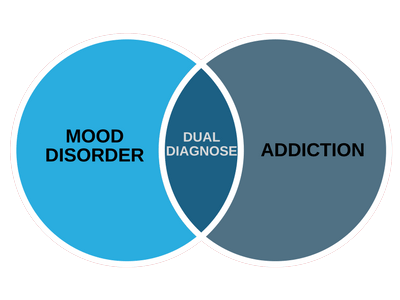
Dual Diagnose Treatment
An addictive disorder can be occurring simultaneously with other psychiatric disorders. Our clinical staff is trained and our programs designed to treat other psychiatric conditions such as depression, anxiety, and personality disorders co-occuring with the addiction.

Gradual Step-Down System
Our gradual ’Step-Down’ system allows the addict starting treatment at the level required by his/her condidtion. The clinical staff will guide the patient to get over the next levels, according to progress and development of the recovery process.

Family Members Included
Family involvement and participation is a key component for a successful recovery from addiction. Family members are invited to participate in family process groups and psycho-educational activities as well as in our weekly family sessions.

Bilingual: English and Spanish
We offer two completely separated tracks based on the prefered language of the patient. Each track, English and Spanish, have the same type of program with the difference that the program and the clinical staff will communicate in the patient's preferred language.

Addiction Intervention
An orchestrated attempt by one o more people -usually family or friends- to get someone to seek professional help. Our clinical Staff will guide you setting up and running this process.

Success Story
I decided to seek help with my gambling addiction about 4 years ago and luckily found Uleru. I was reluctant to try therapy, but after a few minutes, I felt a giant burden being lifted from my shoulders. I continue to see them and would highly recommend their services.
Insurance Providers we Cover

Florida Blue

Cigna

Aetna

Humana

United Healthcare

Magellan Health

Bluecross Blueshield
Our Treatment Programs
Our programs are designed so individuals can understand the process of addiction, consequences and impact of use in the brain and body, avoidance and use, and many other issues related to their substance use or other addictions. Patients will be assessed and evaluated in order to decide which level of care is suitable for them.
PHP: Partial Hospitalization Program
Duration: 4 weeks (6 hours a day - 5+ days per week)
A primary Night & Day program focused on treating addictions on a full-time intensive schedule

IOP: Intensive Outpatient Program
Duration: 4 weeks (3+ hours a day - 4+ days per week)
A primary non-residential program focused on treating addictions on a part-time –yet intensive– schedule

OP: Outpatient Program
Duration: 4 weeks (3 hours a day - 3 days per week)
A primary non-residential program focused on treating addictions on a part-time schedule

AC: After Care
Duration: Continuing (90 minutes - 1 day per week)
Provides a continuation of counseling and support once the IOP and OP program have been successfully completed

FAQ




Professional Psychoterapeutical Services